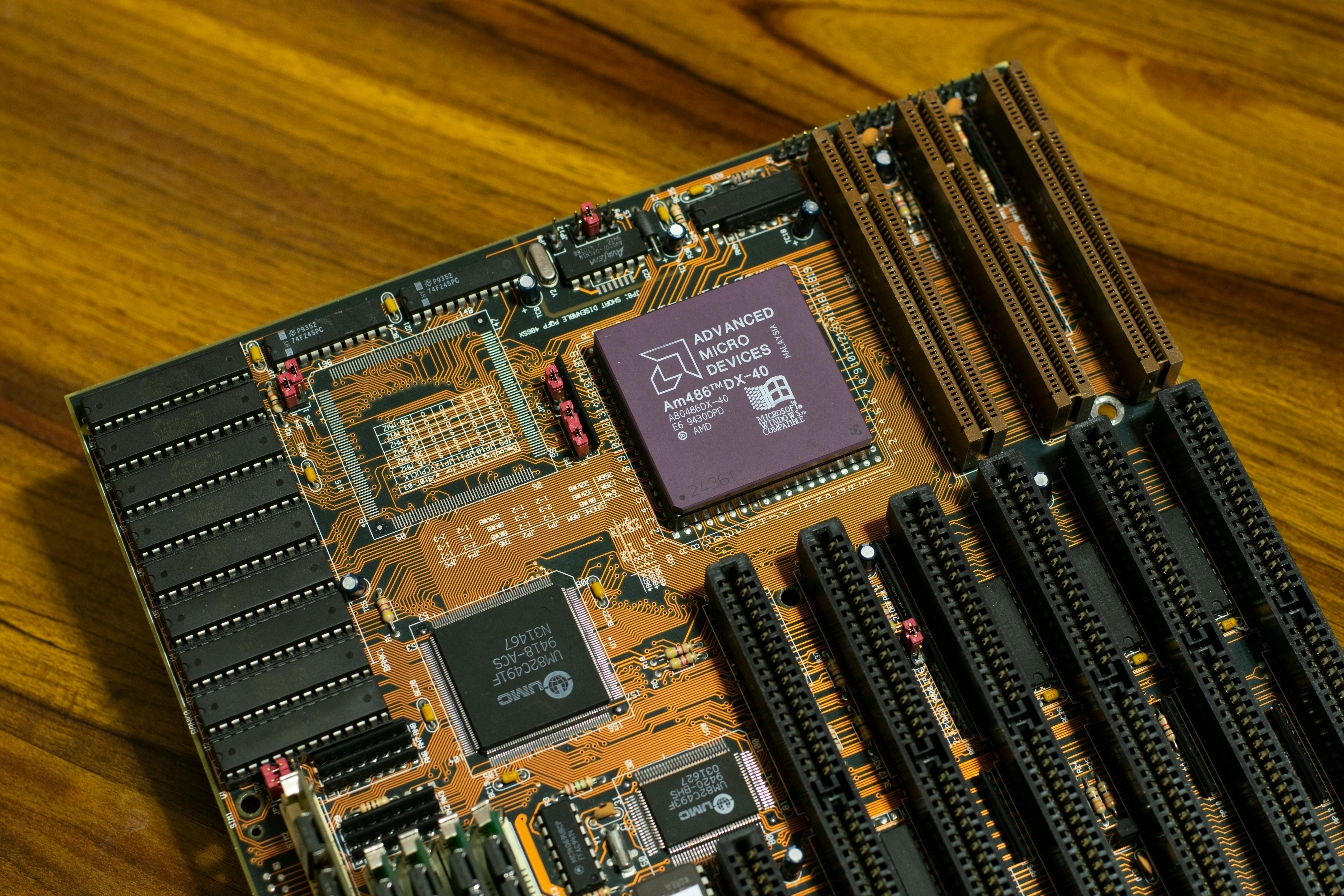
PCB Glossary
Explore key terms and concepts in the PCB industry with our comprehensive glossary. Whether you're new to the field or looking to refresh your knowledge, we provide easy-to-understand definitions for common PCB-related terminology.
Our glossary covers everything from basic PCB terminology to advanced concepts used in the design, manufacturing, and testing processes. Understanding these terms is crucial for anyone involved in the creation or use of printed circuit boards.
Comprehensive Definitions
Our glossary includes clear and concise definitions for the most commonly used PCB terms, making it easier for you to understand the language of the industry.
Industry-Specific Terms
We’ve curated a list of industry-specific terms related to PCB design, manufacturing, and testing to help you stay informed and ahead of the curve.
Common PCB Terms Explained
Below are some of the most common PCB-related terms and their definitions. Whether you're working on a project or learning about PCBs, this glossary is here to guide you.
PCB (Printed Circuit Board)
A PCB is a flat board made of insulating material with conductive paths that allow electrical components to be connected together in a circuit.
SMD (Surface-Mounted Device)
SMD refers to a type of electronic component that is mounted directly onto the surface of a PCB, rather than through holes.
Via
A via is a hole in a PCB that allows electrical signals to pass between different layers of the board.
BOM (Bill of Materials)
A BOM is a list of all the components and materials required to build a PCB, including their specifications and quantities.
FR4 (Flame Retardant 4)
FR4 is a common material used for PCB substrates, known for its flame resistance and excellent electrical insulation properties.
Silkscreen
Silkscreen refers to the layer of ink applied to the PCB's surface to mark component locations, values, and other important information.
Additional Glossary Terms
Impedance
Impedance is the measure of opposition to alternating current (AC) flow in a PCB, affecting signal integrity.
Etching
Etching is a process used to remove unwanted copper from a PCB to create the necessary circuit patterns.
Test Points
Test points are designated areas on a PCB used for checking electrical characteristics during manufacturing or troubleshooting.